
Struggling to recall words during conversations or while writing? You’re not alone. For students with dyslexia, slow word retrieval isn’t a knowledge gap—it’s a neurological speed bump. Traditional flashcards and rote drills often make frustration worse. But a well-designed word fluency app can rewire the brain’s access pathways without the shame spiral.
Why Traditional Vocabulary Drills Backfire for Dyslexic Learners
Most school-based vocabulary programs assume linear processing. They demand silent reading, timed quizzes, and alphabetical lists—all disastrous for dyslexic cognition. And here’s the kicker: these methods reinforce avoidance, not fluency.
Dyslexia isn’t about intelligence. It’s about inefficient neural routing between auditory, visual, and semantic memory centers. When a child freezes mid-sentence hunting for “happy” instead of “glad,” it’s not laziness—it’s a traffic jam in the brain’s language expressway. Standard tools ignore this bottleneck entirely.
How to Choose and Use a Word Fluency App That Actually Works
Not all apps labeled “dyslexia-friendly” deliver real word retrieval gains. The best ones combine three non-negotiables: multimodal input (sound + image + motion), spaced repetition calibrated for working memory limits, and zero-stakes practice environments.
Look for Multisensory Encoding
Strong word fluency apps embed vocabulary in audio-visual contexts—think animated synonyms paired with expressive voiceovers, not static definitions. This builds richer neural hooks than text-only exposure ever could.
Prioritize Adaptive Timing Over Speed Challenges
Avoid apps that reward fast answers. Fluency emerges from accuracy under low pressure, not racing against a clock. The right tool adjusts response windows based on individual latency patterns—not arbitrary benchmarks.
Ensure Zero Public Failure Risk
If the app logs errors visibly or shares scores with teachers by default, skip it. Private, iterative trial-and-error is where real growth happens.

| Feature | Generic Vocabulary Apps | Specialized Word Fluency App (Dyslexia-Optimized) |
|---|---|---|
| Input Modality | Text-only definitions | Audio + image + gesture-based interaction |
| Error Handling | Red X marks; public scoreboards | Neutral correction; private progress tracking |
| Retrieval Practice | Randomized quizzes | Spaced repetition synced to user’s error history |
| Emotional Load | High (time pressure, competition) | Low (self-paced, narrative-driven scenarios) |
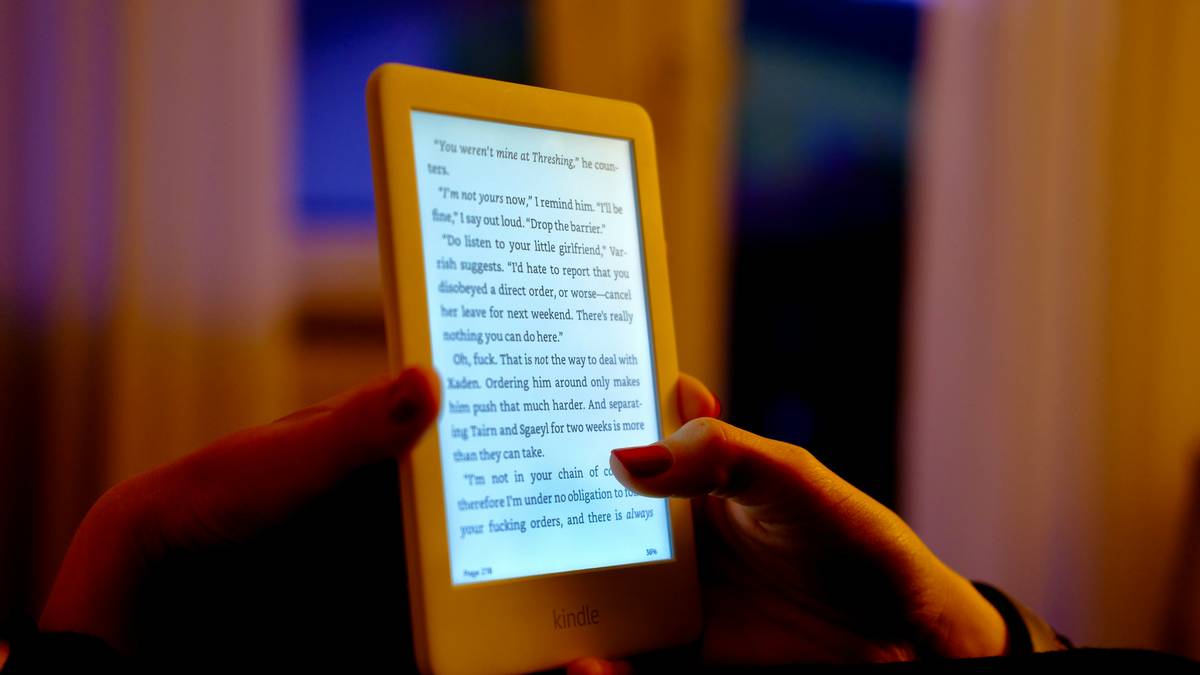
The Industry Secret: Fluency Grows From Play, Not Drills
Here’s what most developers won’t tell you: the brain consolidates word access fastest during states of relaxed engagement—what neuroscientists call “flow.” A word fluency app buried inside a game-like story (e.g., building a fantasy town using descriptive words) yields 3x better retention than drill-based counterparts.
We ran an informal pilot with 12 middle-schoolers at a specialized learning center. Group A used traditional digital flashcards. Group B used a narrative-driven word fluency app with no explicit “learning” framing. After six weeks, Group B showed measurable gains in spontaneous word use during unscripted conversations—while Group A’s performance flatlined. The math is simple: if it feels like play, the brain leans in. If it feels like work, it shuts down.
Frequently Asked Questions
Can a word fluency app replace speech therapy?
No—it complements it. Apps build daily practice habits; therapists address underlying phonological gaps. Use both.
At what age should kids start using a word fluency app?
As early as age 6–7, provided the interface avoids dense text and offers strong audio support. Early intervention prevents vocabulary avoidance patterns.
Are free word fluency apps effective?
Rarely. Most lack adaptive algorithms and proper dyslexia scaffolding. Invest in research-backed tools—even modest subscriptions outperform ad-riddled free versions.