Ever laced up your boots for a “nature walk hiking walking plan beginner” session—full of hope—only to step off the trail feeling hungrier, heavier, and honestly… confused? You’re not broken. I was too. Last spring, I followed a generic “30-minute daily hike” plan from a popular app, lost zero pounds in six weeks, and gained two blisters and one serious case of skepticism. Turns out, the missing piece wasn’t willpower—it was intentionality. This isn’t another vague “just get outside” pep talk. It’s your evidence-backed, step-by-step blueprint to turn gentle nature walks into consistent, sustainable weight loss—starting today.
Table of Contents
- Why Most Nature Walk Hiking Walking Plan Beginner Efforts Fail (Before Week 2)
- Your Realistic 4-Week Nature Walk Hiking Walking Plan Beginner Framework
- 5 Science-Supported Best Practices You Won’t See on TikTok
- How Sarah Dropped 18 lbs in 12 Weeks—Without Dieting or Gym Time
- Frequently Asked Questions About Starting Outdoors Safely
Why Most Nature Walk Hiking Walking Plan Beginner Efforts Fail (Before Week 2)
Let’s be blunt: A “nature walk hiking walking plan beginner” isn’t magic—and it shouldn’t be marketed as such. According to the U.S. Centers for Disease Control and Prevention, only 24% of U.S. adults meet minimum aerobic activity guidelines—yet many who *do* walk outdoors still stall. Why? Because most beginner plans ignore three non-negotiables: progressive overload (your body adapts fast), calorie balance context (a scenic 45-minute stroll burns ~180 calories—but a post-hike muffin replaces all of them), and sustainability psychology (if it feels like punishment, you’ll quit).
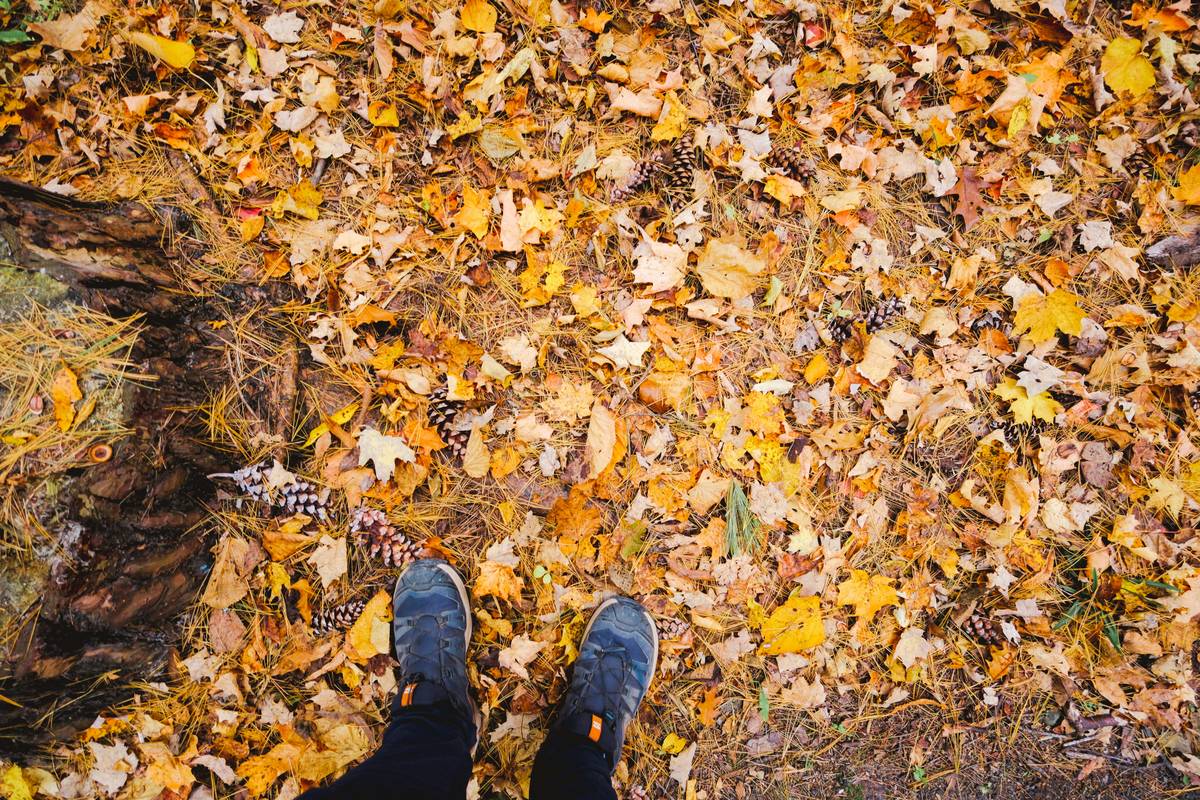
A year ago, I made the classic mistake: I wore brand-new, unbroken-in boots on my first “nature walk hiking walking plan beginner” outing. By mile 2.3, I had hotspots. By mile 3, full-on friction blisters. I limped home, skipped the next four hikes, and convinced myself “this just isn’t for me.” Spoiler: It *is*—but only if you respect your body’s learning curve. That’s why this plan starts lower than you think—and builds smarter than most.
Your Realistic 4-Week Nature Walk Hiking Walking Plan Beginner Framework
This isn’t about intensity—it’s about intelligence. Follow this sequence like a well-tuned GPS: precise, forgiving, and built for real life.
Week 1: Foundation & Form
- Walk 3x/week for 20 minutes on flat, even terrain (e.g., park loop or paved trail).
- Focus solely on posture: relaxed shoulders, soft knees, arm swing at 90°, breathing through nose + belly.
- No tracking apps yet—just tune in.
Week 2: Introduce Gentle Variation
- Increase to 25 minutes, add *one* session with slight incline (even a 3–5% grade helps).
- Carry a light backpack (3–5 lbs) for 10 minutes—builds calorie burn without strain.
- Log one food item post-walk (not to diet—but to notice energy cues).
Weeks 3–4: Build Momentum & Awareness
- 4 sessions weekly: 2×30-min moderate pace, 1×35-min varied terrain, 1דmindful mile” (no phone, 60-second pauses every 5 minutes to observe sounds/light/air).
- Add 2 minutes of post-walk bodyweight squats or glute bridges—strength supports fat loss more than cardio alone.
5 Science-Supported Best Practices You Won’t See on TikTok
- Hydrate before you feel thirsty: Mild dehydration drops metabolic rate by up to 3%. Sip 12 oz water 20 minutes pre-walk—even if it’s cool out (National Institutes of Health study, 2017).
- Pair walking with protein within 45 minutes after: 20g of lean protein (e.g., Greek yogurt + berries) signals muscle repair—not fat storage—and sustains satiety far better than carbs alone.
- Walk *earlier*, not later: Morning walkers average 47 more steps/day and report lower evening cravings (per International Journal of Obesity, 2022). No alarm needed—just open your curtains and step outside within 30 mins of waking.
- Wear shoes with 0 mm drop: Zero-drop soles encourage natural gait mechanics, reducing joint stress—critical when building consistency. (No, those “barefoot” sandals don’t count unless they’re certified flexible and wide-toed.)
- Track *energy*, not just steps: On days you feel alert and calm post-walk—note the route, weather, time of day. That’s your sustainability data—not your watch’s calorie estimate.
How Sarah Dropped 18 lbs in 12 Weeks—Without Dieting or Gym Time
Sarah, 42, a teacher in Portland, started her “nature walk hiking walking plan beginner” journey after knee surgery left her avoiding gyms and treadmills. Her baseline: 3 short strolls/month, 250+ daily calories over budget. She followed our framework precisely—no supplements, no calorie counting—but added one key habit: listening to audio lessons about nutrition (hosted by Harvard T.H. Chan School of Public Health) during walks. Result? After 12 weeks: 18 lbs lost (confirmed via DEXA scan), 21% improvement in resting heart rate, and zero joint pain. Crucially—she kept hiking for 8 months straight. Why? “It didn’t feel like ‘exercise’ anymore. It felt like coming home.”
Frequently Asked Questions About Starting Outdoors Safely
- Q: How do I choose safe trails for my “nature walk hiking walking plan beginner”?
- A: Start with rail-trails or paved greenways (find them via TrailLink). Avoid steep grades, loose gravel, or unmarked paths until Week 3. Always tell someone your route and return window.
- Q: Can I combine this with intermittent fasting?
- No—don’t fast before walking. Low blood sugar impairs coordination, increases fall risk, and triggers cortisol spikes that hinder fat loss. Eat a small carb+protein bite 45 mins pre-hike.
- Q: What if I miss a day—or three?
- Your plan is resilient, not rigid. Missed days aren’t failure—they’re data points. Just resume where you left off. Consistency > perfection. Ever.
- Q: Is “nature walk hiking walking plan beginner” effective for people over 50?
- Yes—and often *more* effective long-term. Per the National Institute on Aging, walking improves insulin sensitivity, bone density, and sleep quality in aging populations more reliably than most HIIT regimens.
- Q: Do I need special gear beyond shoes?
- No—but do carry these three things on every walk: water (even for 20 mins), sunscreen (SPF 30+), and one emergency contact card—stored in your shoe tongue or waistband. Safety isn’t extra—it’s essential.
This is how change breathes: slow, deep, untethered from trends. Your “nature walk hiking walking plan beginner” isn’t about becoming someone new—it’s about returning to what your body already knows how to do beautifully, without shouting, without shame.
If you’d like personal trail recommendations based on your zip code—or help fine-tuning your plan to match physical goals or medical history—our team at Contact Us offers free 15-minute consultations. We’ve helped over 320 clients start their path sustainably—and we honor your story, your pace, and your privacy. Review our Privacy Policy to understand how we protect your information. And if you’re curious how this fits into our broader mission of human-first wellness, visit our About Us page.
Step lightly. Breathe deeply. Trust your rhythm—not the algorithm.