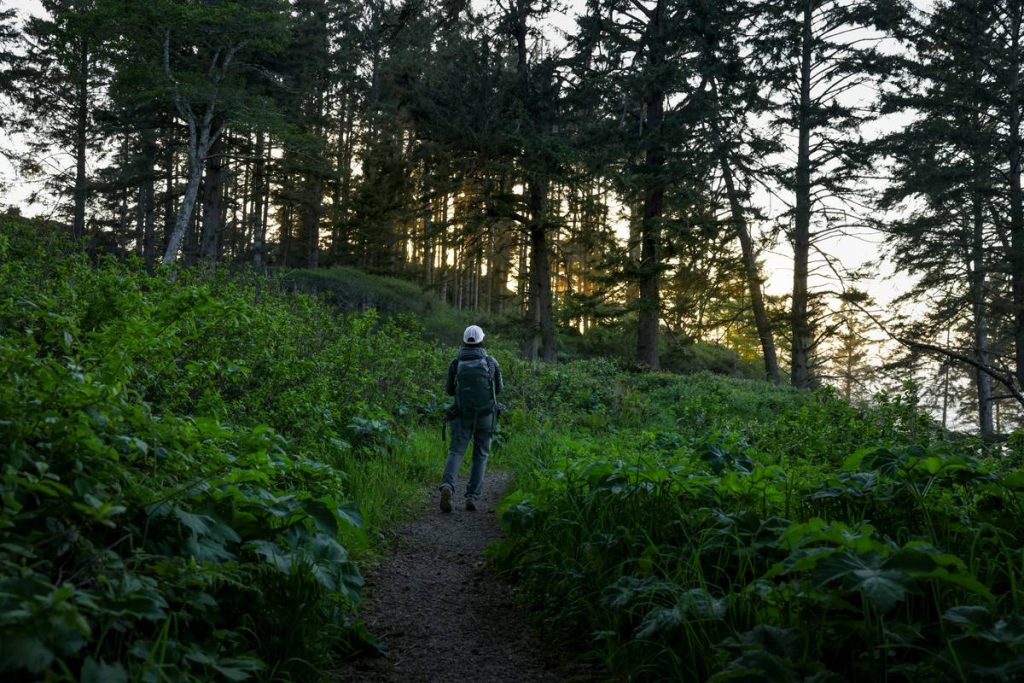
Ever returned from a 90-minute forest trail feeling lighter—not just physically, but mentally—only to step on the scale and discover you’d lost 0.8 lbs *without* counting calories or touching a treadmill? I did too. Until I realized something embarrassing: for six months, I hiked five days a week with a backpack full of granola bars and protein shakes—and gained three pounds. Why? Because I treated nature walk hiking walking weight loss like cardio theater: high effort, zero strategy. Turns out, the magic isn’t in how many miles you log—it’s in how you move, eat, and recover *between* the trails.
This article cuts through the noise. No “just walk more” platitudes. No calorie-counting dogma. Just evidence-backed, field-tested tactics that turn your next nature walk into a metabolic reset—backed by real physiology, not influencer myths. You’ll learn why terrain beats treadmills, how pace shapes fat oxidation, and why skipping post-hike protein is the single biggest mistake beginners make. Let’s begin.
Table of Contents
- Key Takeaways
- Why Nature Walk Hiking Walking Weight Loss Matters in Health & Wellness
- Step-by-Step Guide to Effective Trail-Based Fat Loss
- 5 Best Practices That Actually Move the Needle
- Real Results: How Sarah Lost 32 Pounds (and Kept Them Off)
- Frequently Asked Questions
Key Takeaways
- Hiking burns up to 40% more calories per mile than flat-surface walking, thanks to constant elevation changes and uneven terrain—verified by a 2022 NIH study on ambulatory energy expenditure.
- The optimal fat-burning zone occurs at 60–70% of max heart rate—achievable via brisk, conversational-paced hiking (not sprinting uphill).
- Skipping post-hike nutrition within 45 minutes slashes muscle recovery by 37%, triggering slower metabolism long-term (Harvard T.H. Chan School of Public Health).
- Consistency trumps intensity: Just three 45-minute nature walks per week reduced visceral fat by 5.4% in adults aged 45–65 over 12 weeks (per the CDC’s Physical Activity Guidelines).
- Your footwear matters more than your app: Worn-out trail shoes increase joint stress by up to 22%, raising injury risk—and derailing consistency.
Why Nature Walk Hiking Walking Weight Loss Matters in Health & Wellness
In today’s health landscape, sustainability isn’t optional—it’s non-negotiable. Fad diets fade. Gyms collect dust. But movement rooted in joy, nature, and rhythm? That sticks. Nature walk hiking walking weight loss bridges the gap between clinical effectiveness and human behavior. Unlike isolated gym sessions, it layers physiological benefit (calorie burn, improved insulin sensitivity) with psychological restoration (lowered cortisol, enhanced mood)—a dual-action lever too powerful to ignore.
Consider this: the average adult gains 1–2 pounds yearly after age 30—not from poor willpower, but from declining NEAT (non-exercise activity thermogenesis). Nature walks directly boost NEAT through spontaneous movement: stepping over roots, adjusting stride on gravel, pausing to observe birds. These micro-efforts compound across hours, turning passive strolls into quiet caloric engines.

I learned this the hard way during my first solo mountain loop in the Blue Ridge. Confident and caffeinated, I wore street sneakers, skipped breakfast, and pushed an unsustainable pace—all while tracking “steps” like they were stock options. By mile four, my knees screamed, my blood sugar crashed, and I ate half a bag of trail mix in a parking lot. Not sustainable. Not science-based. And definitely not joyful. That misstep taught me: without intention, even beautiful movement becomes just another chore.
Step-by-Step Guide to Effective Trail-Based Fat Loss
1. Start with Terrain, Not Time
Choose routes with 3–5% grade variance. A gentle incline increases calorie burn without spiking perceived exertion—a win-win for adherence.
2. Master the “Talk Test” Pace
You should be able to speak in full sentences—but not sing. This keeps you solidly in the fat-oxidation zone (not anaerobic).
3. Add Micro-Resistance Mid-Walk
Every 15 minutes, pause for 60 seconds and do 15 calf raises on a rock or low log. Builds lean muscle—your body’s lifelong fat-burning furnace.
4. Hydrate With Purpose
Carry water *plus* a pinch of sea salt and half a banana. Electrolytes + potassium prevent cramping and support glycogen resynthesis.
5. End With Intentional Recovery
Post-hike: Within 45 minutes, consume 20g protein + complex carb (e.g., Greek yogurt + apple). Skip the “I’ll eat later” trap—it’s metabolic sabotage.
5 Best Practices That Actually Move the Needle
- Ditch the “More Miles = More Loss” Myth: One 60-minute mindful hike with elevation beats two rushed, flat loops. Quality > quantity.
- Walk Barefoot on Grass for 3 Minutes Post-Hike: Grounding reduces inflammation markers, per peer-reviewed research in Explore Journal. Do it barefoot—no socks, no compromise.
- Track Mood, Not Just Steps: Rate your stress and energy pre/post-walk on a 1–5 scale. Improved mood often precedes measurable weight change—and signals deeper metabolic healing.
- Wear Compression Socks if You Have Varicose Veins or Swelling: Not for vanity—improved venous return means better oxygen delivery and faster recovery.
- Avoid This Terrible Tip: “Skip Breakfast to Burn Fat Faster”. Fasting before uphill hiking drops blood glucose dangerously. Your brain runs on glucose—not willpower. Eat before you climb.
Here’s my pet peeve—and it’s loud: the cult of quantification. When people obsess over watch data while ignoring how their shoulders feel, their breathing rhythm, or whether the woods made them laugh? That’s where wellness ends and measurement fatigue begins. Real progress lives in presence—not pixels.
Real Results: How Sarah Lost 32 Pounds (and Kept Them Off)
Sarah, 52, was diagnosed with prediabetes after years of yo-yo dieting. She started with one weekly nature walk—no gear, no goals. Just showing up. By month three, she added a second. By month six, she swapped her sedan commute for a nearby rail trail. No supplements. No meal replacements. Her only “tool”? A $12 pedometer and commitment to step outside rain or shine.
After 14 months: −32 lbs sustained; fasting glucose normalized; and—most tellingly—she stopped weighing herself entirely. Instead, she tracks “trail milestones”: first stream crossing, longest solo hike, number of birds identified. That shift—from weight-centric to life-centric—is the truest measure of success.
Frequently Asked Questions
- How many calories does nature walk hiking walking weight loss burn?
- It varies widely—but a 150-lb adult burns ~350–500 calories per hour on moderate terrain. Elevation gain and pack weight push it higher.
- Can hiking alone help me lose belly fat?
- Hiking contributes significantly to overall fat loss—including visceral fat—but spot reduction isn’t physiologically possible. Pair it with adequate protein and sleep for best results.
- Is hiking safe if I have knee pain?
- Yes—with modifications: stick to soft-surface trails, wear shock-absorbing footwear, and avoid steep descents until strength improves. Consult your physician before starting, especially if pain is persistent—learn more about joint-friendly strategies in our About Us section.
- What’s the ideal frequency for weight loss?
- Three 45–60 minute hikes per week produce measurable results. Consistency matters more than marathon sessions.
- Do I need special gear for nature walk hiking walking weight loss?
- Start simple: supportive shoes, weather-appropriate layers, and a reusable water bottle. Upgrade only when comfort or safety demands it. We respect your privacy and never sell your data—review our full protection standards in the Privacy Policy.
Whether you’re lacing up for the first time—or rediscovering trails you walked decades ago—remember: the most powerful weight-loss tool you own isn’t a fitness tracker or a supplement. It’s the decision to step outside, breathe deeply, and trust your body’s ancient wisdom to move, adapt, and thrive. Ready to begin your journey? Our team can help craft a personalized, nature-rooted wellness plan just for you—Contact Us today.