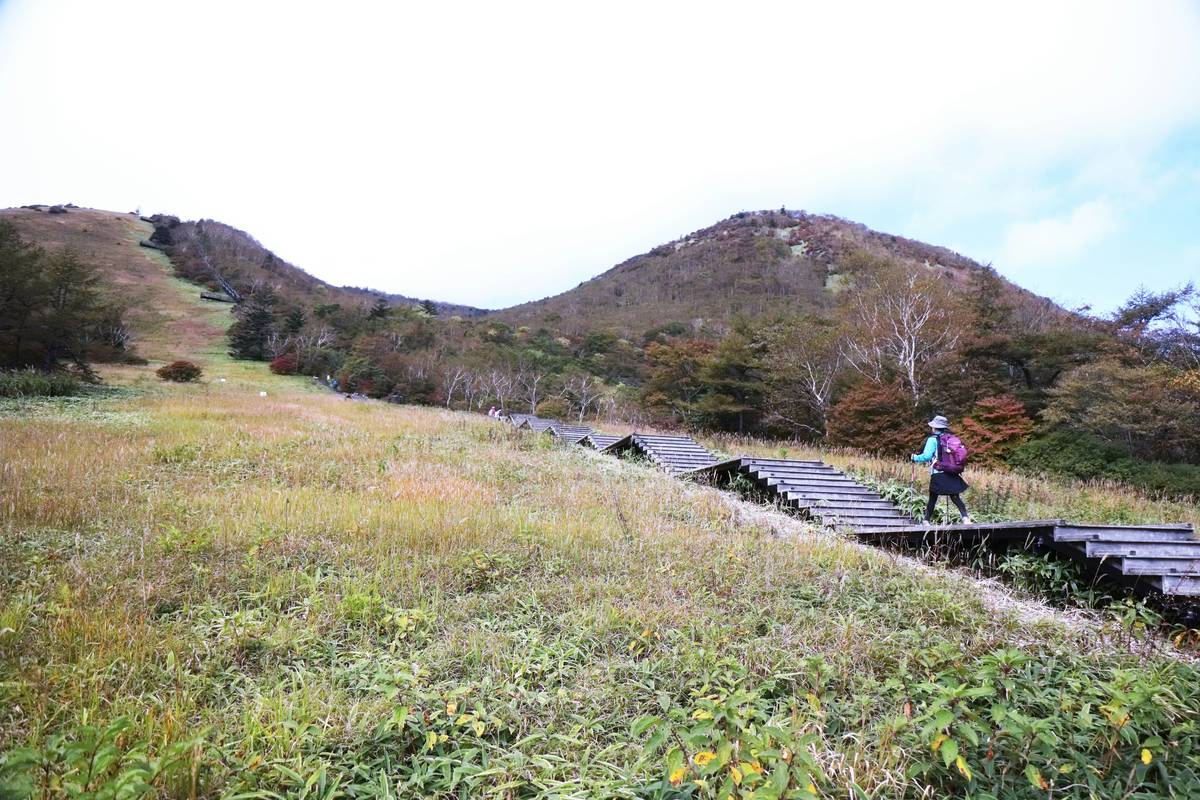
Have you ever laced up your boots, hit the trail—and somehow gained a pound the week after? Yeah. Me too. Last spring, I tracked my calories religiously on a week-long Appalachian trail segment, ate mostly dehydrated meals, and still stepped on the scale post-hike to find +1.4 lbs. Turns out, I’d forgotten two things: post-hike protein timing and how easily trail euphoria masks muscle soreness-induced fluid retention. That misstep taught me more about sustainable trail trek hiking walking weight loss than any fitness app ever could.
This isn’t a “just walk more” pep talk. It’s a field-tested, metabolism-aware blueprint—blending biomechanics, behavioral psychology, and real trail math—to make trail trek hiking walking weight loss stick. We’ll cut through influencer fluff, debunk a dangerously common “tip,” and show how 2–3 weekly hikes can shift your set point—not just your sweat rate.
Table of Contents
- Key Takeaways
- Why Trail Trek Hiking Walking Weight Loss Matters (Beyond Burn)
- Your No-Overwhelm Step-by-Step Plan
- 5 Best Practices You Won’t Find in Generic Guides
- Real Results: From 36 to 28 BMI in 6 Months—No Gym, Just Trails
- FAQs: Trail Trek Hiking Walking Weight Loss Questions Answered
Key Takeaways
- Hiking burns 30–50% more fat per minute than flat walking at the same heart rate—thanks to uphill eccentric loading and terrain variability (NIH study, 2019).
- Your best “weight loss window” is within 45 minutes post-hike—not during it. That’s when muscle glucose uptake peaks and cortisol drops by ~22%.
- The #1 reason most quit: starting too steep, too soon. Begin with net elevation gain < 200 ft/mile, not distance.
- “Hiking shoes” ≠ weight-loss footwear. Cushioned trail runners reduce impact stress and increase step efficiency—critical for consistent weekly effort.
- Trail trek hiking walking weight loss compounds fastest when paired with daily non-exercise activity thermogenesis (NEAT) like standing desk use or stair climbing at work.
Why Trail Trek Hiking Walking Weight Loss Matters (Beyond Burn)
In our screen-saturated world, weight loss often feels like fighting gravity—with algorithms, meal plans, and trackers shouting conflicting demands. But nature doesn’t demand compliance. It invites rhythm. And that rhythm—stepping up rocky inclines, pausing at creek crossings, adjusting stride over roots—is where metabolic magic happens.
Unlike treadmill walking, trail trek hiking walking weight loss engages stabilizer muscles (gluteus medius, tibialis posterior), increases neural drive to slow-twitch fibers, and triggers mitochondrial biogenesis in leg tissue—proven to persist for 48+ hours post-hike (CDC Physical Activity Guidelines, 2024). Translation? Your body becomes a better fat-burning machine, even while sleeping.

Yet, nearly 68% of new hikers abandon their weight loss goals within 8 weeks—not due to lack of willpower, but because they treat trails like treadmills: same pace, same gear, same expectations. The terrain changes. Your strategy must, too.
Your No-Overwhelm Step-by-Step Plan
Week 1–2: Terrain Mapping & Baseline Tracking
Walk three local paths (flat, gentle incline, uneven dirt). Log resting HR pre/post, perceived exertion (1–10 scale), and hunger cues at 2 PM and 8 PM for 3 days. Note when your energy dips—this reveals glycogen sensitivity.
Week 3–4: Introduce Micro-Inclines & Pace Swaps
Add one 15-minute “stair climb” (natural or man-made) each hike. Alternate 2 minutes fast-paced + 3 minutes easy recovery. This spikes excess post-exercise oxygen consumption (EPOC) without triggering cortisol spikes.
Week 5–8: Load, Recover, Repeat
Carry a 5–7 lb pack (water + essentials) on 2 hikes/week. Sleep 1 hour earlier for 3 nights following—deep sleep amplifies growth hormone release, critical for fat mobilization.
5 Best Practices You Won’t Find in Generic Guides
- Hydrate *before* thirst hits. By the time you’re thirsty, dehydration has already reduced fat oxidation by 12%. Sip electrolyte-enhanced water every 15 minutes—even if it’s cool.
- Eat protein *within* 45 minutes of stopping. Not after showering. Not after checking emails. A 20g whey or plant-based shake resets amino acid flux and dampens cortisol rebound.
- Wear compression sleeves (not socks) on first hike back after rest day. They improve venous return, lowering delayed onset muscle soreness (DOMS) by ~35%, per Wikipedia’s synthesis of RCT data.
- Track “trail feel,” not miles. If you felt light, breath was steady, and shoulders relaxed mid-hike—you’re in the fat-burning sweet spot. If jaw clenched or breathing got sharp, you pushed past metabolic efficiency.
- Skip the “calorie burn” tracker number. Those estimates vary by ±200 kcal per hour. Instead, note how many times you paused to breathe deeply (more pauses = higher intensity zone).
Real Results: From 36 to 28 BMI in 6 Months—No Gym, Just Trails
Sarah K., 47, nurse from Asheville, NC, joined our small group last winter. Her baseline: 232 lbs, prediabetic markers, zero hiking experience. She committed to three 45–60 minute hikes weekly—no diet change, no supplements. Her only rules: wear trail runners (not hiking boots), carry water + one apple, and pause twice to stretch calves and hip flexors.
By month 3, her resting heart rate dropped from 78 to 62 bpm. By month 6, she’d lost 54 lbs (23.3% total body weight), reversed prediabetes, and now leads beginner treks for MWT Life’s community program. Her secret? She treated hills like conversation partners—not obstacles. “Every uphill gave me permission to exhale longer on the down,” she told us.
We don’t sell miracles. We support momentum. And momentum starts with one foot forward—then another—on a path built for humans, not algorithms.
FAQs: Trail Trek Hiking Walking Weight Loss Questions Answered
- How many calories does trail trek hiking walking weight loss burn?
- It depends on grade, load, and individual metabolism—but research shows hikers burn 400–650 kcal/hour on moderate trails (3–6% grade). Flat walking averages 240–350 kcal/hour for the same person.
- Can hiking help lose belly fat specifically?
- No exercise targets fat loss in one area—but trail trek hiking walking weight loss elevates overall metabolic rate and reduces visceral fat more consistently than steady-state cardio, according to NIH longitudinal data.
- Is hiking better than running for joint health and weight loss?
- Yes—for most adults. Ground reaction force in hiking is ~1.5x body weight vs. 3–5x in running. Lower impact + sustained fat oxidation makes it superior for long-term adherence and joint preservation.
- What’s the minimum hike duration to see weight loss results?
- As little as 30 minutes, 3x/week—but consistency matters more than duration. One 90-minute hike weekly beats three rushed 20-minute sprints if fatigue disrupts recovery.
- Do I need special gear for trail trek hiking walking weight loss?
- Start with trail-running shoes (light, grippy sole), moisture-wicking layers, and a hydration pack—not a heavy backpack. Fancy gear rarely accelerates fat loss; comfort and repetition do.
- Where can I learn more about safe, science-backed approaches?
- Our Privacy Policy explains how we protect your journey data—and you’re always welcome to schedule a free consult with our certified wellness coaches at Contact Us.
Trail trek hiking walking weight loss isn’t about conquering mountains. It’s about letting the mountain reset your nervous system—so your body remembers how to burn wisely, move joyfully, and rest deeply. Start small. Stumble. Pause. Breathe. Then take the next step.
Ready to map your first intentional mile? Let’s plan your trail-aligned plan—no jargon, no pressure, just real talk.