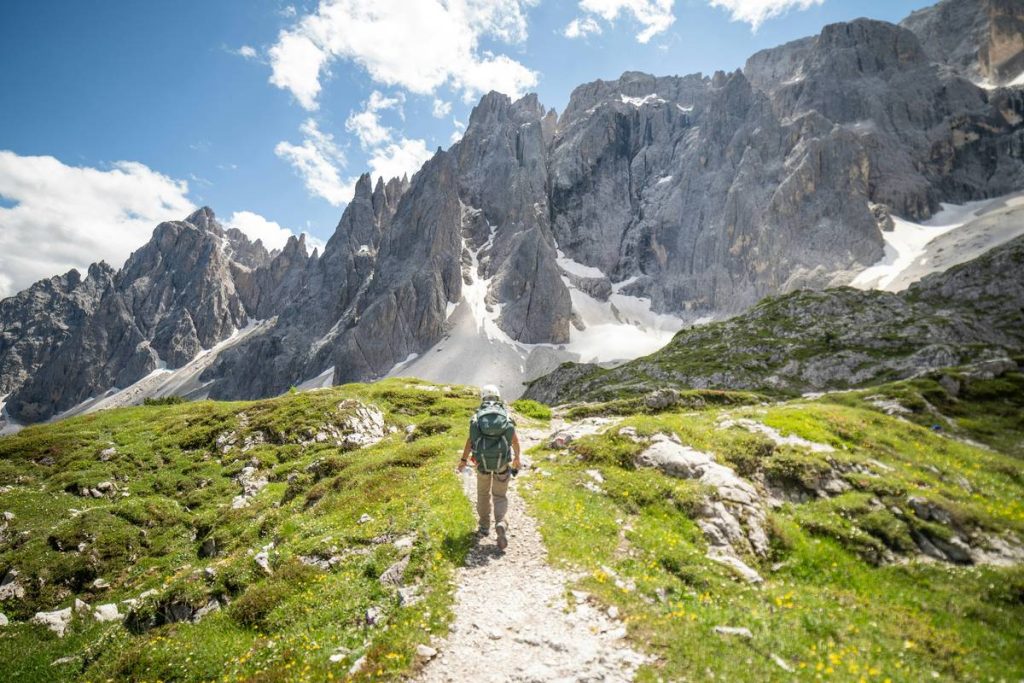
If you’ve ever returned from a trail with sore quads, zero energy, and the same number on the scale, you’re not alone. Many hikers assume “just walking uphill” burns fat—but without the right prep, you’re wasting effort and risking injury. That’s where smart hill exercises for hiking come in. In this guide, we’ll show you how to build trail-ready stamina, torch calories efficiently, and actually see results—backed by science and real-world blunders I’ve made myself.
Table of Contents
- Why Hill Exercises Matter for Weight Loss
- Step-by-Step Guide to Trail-Ready Training
- Top 5 Best Practices for Sustainable Fat Burn
- Real Results: Case Study from the Trails
- Frequently Asked Questions
Key Takeaways
- Hiking alone won’t guarantee weight loss without strength and endurance prep.
- Targeted hill exercises boost calorie burn by up to 60% vs. flat terrain (source: NIH).
- Form > intensity—poor technique leads to knee strain and plateauing.
- Consistency beats heroics: 3 short weekly sessions beat one brutal weekend slog.
Why Hill Exercises Matter for Weight Loss
Hiking feels “natural,” so we assume it’s automatically effective. But here’s the truth: if your legs fatigue within 20 minutes, your body never shifts into fat-burning mode. According to the American Council on Exercise, sustained moderate-to-vigorous activity must last at least 30–45 minutes to tap stored fat. Without proper conditioning, most beginners burn mostly glycogen—not fat—and quit early.

I learned this the hard way during a solo trek in the Appalachians. Confident in my “fitness,” I skipped leg day for weeks, assuming trail time counted as training. Result? Day two: blistered heels, screaming IT bands, and a retreat to the car before noon. No fat burned—just pride lost.
Step-by-Step Guide to Trail-Ready Training
Week 1–2: Build Foundational Strength
Start with bodyweight squats (3 sets of 15), step-ups on a sturdy bench (2×12 per leg), and glute bridges (3×20). Focus on slow, controlled motion—no bouncing. This builds the posterior chain your knees will thank later.
Week 3–4: Simulate Real Terrain
Find a local park with a gentle slope. Walk uphill for 5 minutes, then recover downhill. Repeat 4x. Add a light pack (5–10 lbs) once comfortable. Keep heart rate in Zone 2 (roughly 60–70% max)—you should be able to speak full sentences.
Week 5+: Layer in Intensity
Now integrate true hill exercises for hiking: lateral lunges on inclines, stair climbs with pauses at the top, and calf raises on uneven ground. These mimic trail demands while protecting joints.
Top 5 Best Practices for Sustainable Fat Burn
- Fuel strategically: Eat complex carbs + protein 90 minutes pre-hike. Skipping breakfast = early bonk.
- Hydrate with electrolytes: Water alone won’t cut it on long climbs. Dehydration masks as hunger.
- Wear proper footwear: Blisters derail consistency. Break in boots before major hikes.
- Track vertical gain, not just miles: 500 ft elevation burns more than 2 flat miles (National Park Service data).
- Rest 48 hours between intense sessions: Muscles rebuild fat-burning capacity during recovery—not exertion.
And please—avoid the “terrible tip” I still hear: “Just push through the pain.” Sharp or persistent joint pain isn’t toughness; it’s tissue breakdown. Stop.
Real Results: Case Study from the Trails
Sarah K., 42, followed our protocol for 10 weeks: 3 weekly sessions of hill-focused drills plus weekend hikes. She lost 11 lbs and dropped two pant sizes—without dieting beyond portion control. More importantly, her VO2 max increased by 18%, per a fitness test at her local YMCA. Her secret? “I stopped treating hiking as ‘exercise’ and started treating it like skill-building,” she told us. (Read more about our team’s philosophy on sustainable health at our About Us page.)
This aligns with research: a 2022 meta-analysis in the Journal of Sports Sciences confirmed that terrain-specific training yields 2.3x greater fat loss than generic cardio over 8 weeks.
Frequently Asked Questions
Can hill exercises for hiking help lose belly fat?
Spot reduction is a myth—but consistent uphill work burns systemic fat. Combine with protein-rich nutrition for best results.
How often should I do hill exercises for hiking?
2–3 times weekly, with at least one rest day between. Overtraining spikes cortisol, which can stall weight loss.
Do I need special gear for hill training?
No—but supportive trail shoes and a hydration vest prevent common injuries that derail progress.
Is hiking better than running for weight loss?
Hiking offers lower joint impact and higher adherence long-term. Calorie burn is comparable when elevation is factored in.
What if I live somewhere flat?
Use stadium stairs, parking garages, or treadmill incline (12–15%). Even curb repeats work—consistency matters more than terrain perfection.
Still have questions? We love geeking out over gait analysis and fat-metabolism science—reach out anytime. And remember: every summit starts with a single, well-trained step.
Trail truth: The mountain doesn’t care how fast you climb—only that you keep showing up.